
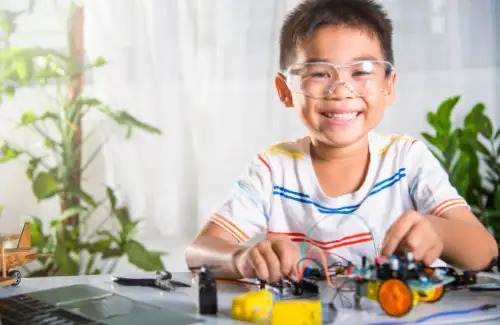
Breadboards, Sensors & Real Circuits: Why They Make Robotics Classes for Kids in Greater Houston More Effective
Parents searching for robotics classes for kids in Houston, The Woodlands, Katy, Cypress, or Sugar Land learn why real Arduino breadboards, ultrasonic sensors, and circuitry at LearnToBot create deeper STEM skills than toy kits, with a 1:5 ratio and take-home projects kids keep.
Parents in Greater Houston often ask the same question when comparing robotics classes for kids: “Will my child actually learn how electronics and code work together, or just snap plastic pieces together?” The difference shows up quickly once kids start wiring real breadboards, reading sensors, and debugging circuits that behave the way physics says they should.
Many programs rely on sealed kits or app-only robots. Those can spark interest, but they skip the messy, rewarding part of engineering—making a connection work, watching a sensor report distance, and changing the code until the robot does exactly what the student intended. That loop builds computational thinking and confidence far better than following a script.
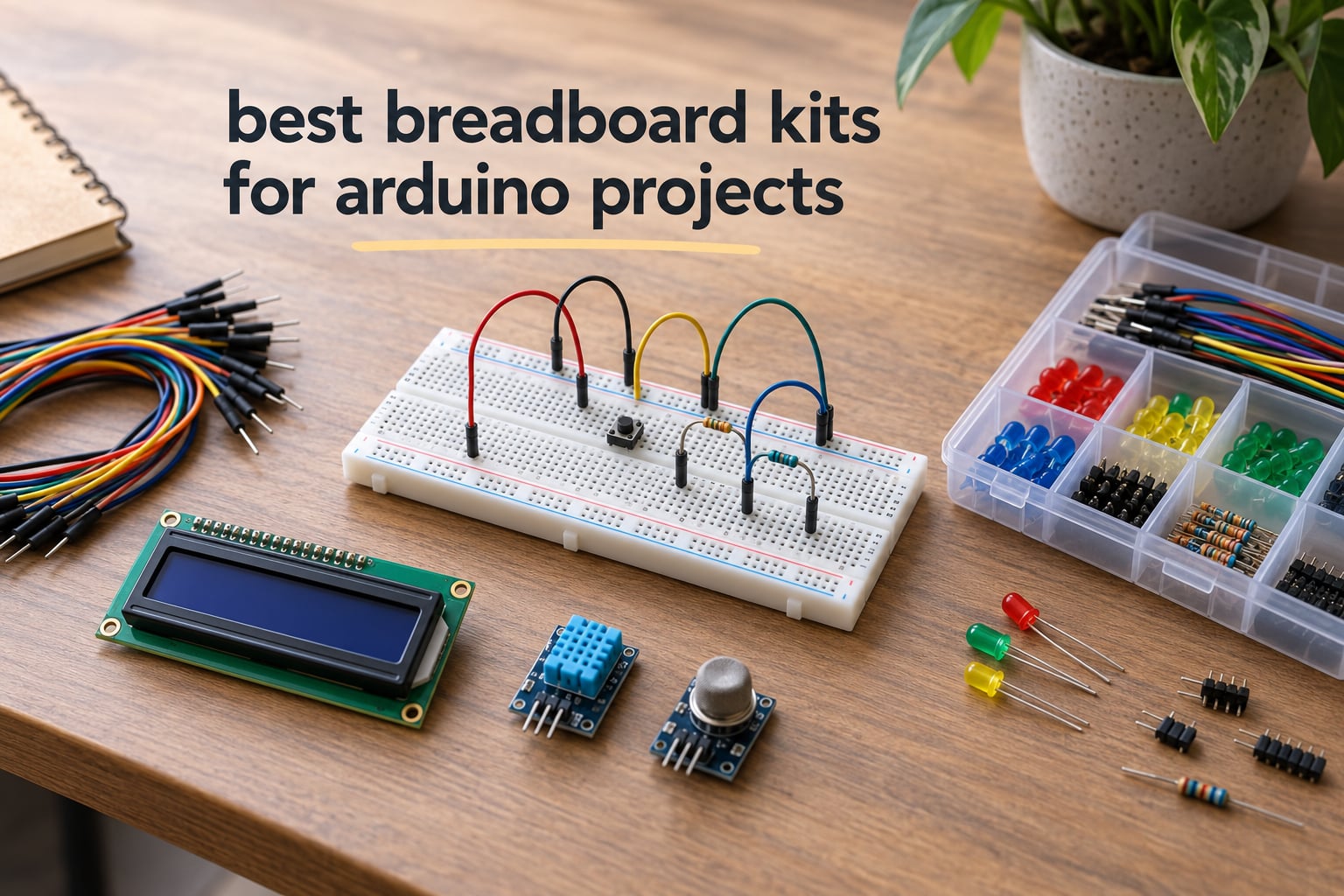 Arduino breadboard with sensors and components
Why Real Circuits and Sensors Matter
Educational research on hands-on STEM consistently shows stronger gains in problem-solving when students design, build, test, and iterate with physical components. A breadboard lets kids plug in LEDs, resistors, motors, and sensors without soldering. An ultrasonic sensor (the same type used in many student projects) measures distance by sending a sound pulse and timing the echo. When the reading feeds into code that controls motors, abstract ideas become concrete: “If the distance is less than 20 cm, stop and turn.”
Kids who only use pre-built modules rarely confront loose wires, incorrect pin assignments, or the need for a shared ground. Those small troubleshooting moments teach persistence and systems thinking—skills that transfer to later Python coding, computer vision, and even college engineering projects.
How LearnToBot Delivers Hands-On Robotics Across Greater Houston
At LearnToBot, students ages 6–18 work with real Arduino-style microcontrollers, breadboards, and sensors in weekly classes held in The Woodlands, Katy, Cypress, Sugar Land, and partner schools. Younger students begin with Scratch block coding and simple LED or motor circuits. As they progress, they move to typed Python, reading sensor data, controlling servos, and building autonomous behaviors.
Signature take-home projects illustrate the approach:
- RC Explorer – dual-tread rover with wireless control and motor drivers.
- Smart Tollway – servo boom gate that reacts to ultrasonic vehicle detection.
- Heavy Lift Crane – gear-reduction winch and structural pulley system.
- Custom Controllers – hand-wired buttons and potentiometers.
Every kit, including new sensors and hardware each week, goes home with the student. Classes stay small with a 1:5 instructor-to-student ratio so coaches can sit with each child, debug a connection, and explain why a sensor reading is noisy or a motor stalls. Unlimited make-ups mean busy sports or travel schedules do not interrupt progress. For older students, the same hardware foundation supports OpenCV computer vision and Edge AI projects that strengthen college portfolios.
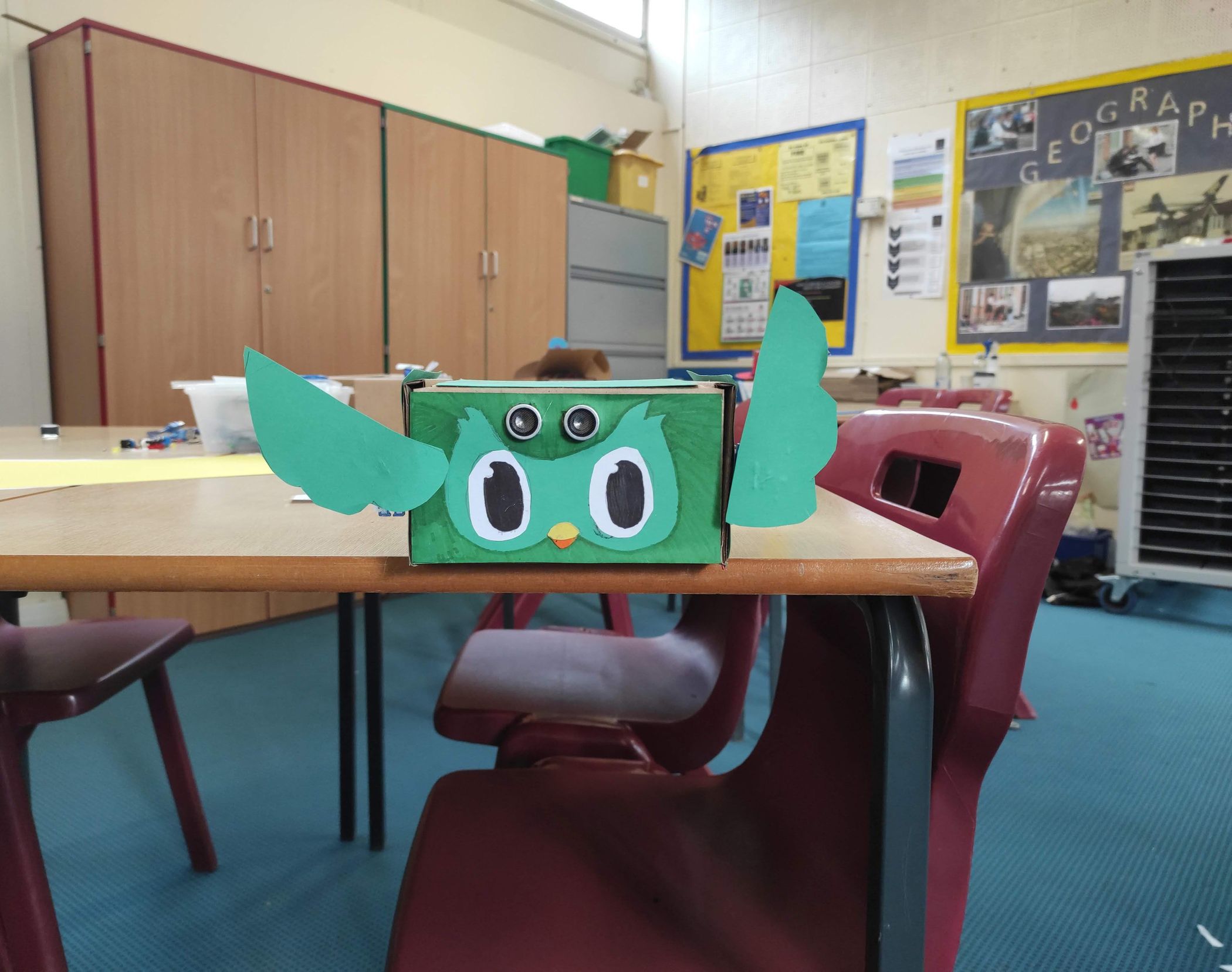 Kids building an Arduino-based robot project
Locations and schedules are flexible—see the full map and times on the class schedule page. School partnerships bring the same curriculum on campus, and summer camps intensify the building experience.
Practical Takeaway for Parents
When evaluating the best STEM program in Greater Houston, ask three questions:
- Do students wire actual breadboards and sensors, or only use sealed modules?
- Does the progression move from Scratch to real Python while keeping physical projects?
- Do kids take the hardware home so practice continues between classes?
Programs that answer “yes” give children a durable foundation. They leave knowing how a circuit works, how code reads the world, and how to iterate when something fails.
Ready to See It in Action?
The best way to decide is a free trial class. Your child can sit down with real components, write a few lines of code, and watch a sensor or motor respond—under the guidance of an instructor in a small group. Spots are limited to preserve the 1:5 ratio.
Book a free trial today and discover why families across The Woodlands, Katy, Cypress, and Sugar Land choose LearnToBot for robotics classes, coding, and AI education that sticks.
External reference for further reading: National Science Teaching Association resources on hands-on STEM inquiry.